Real Talk
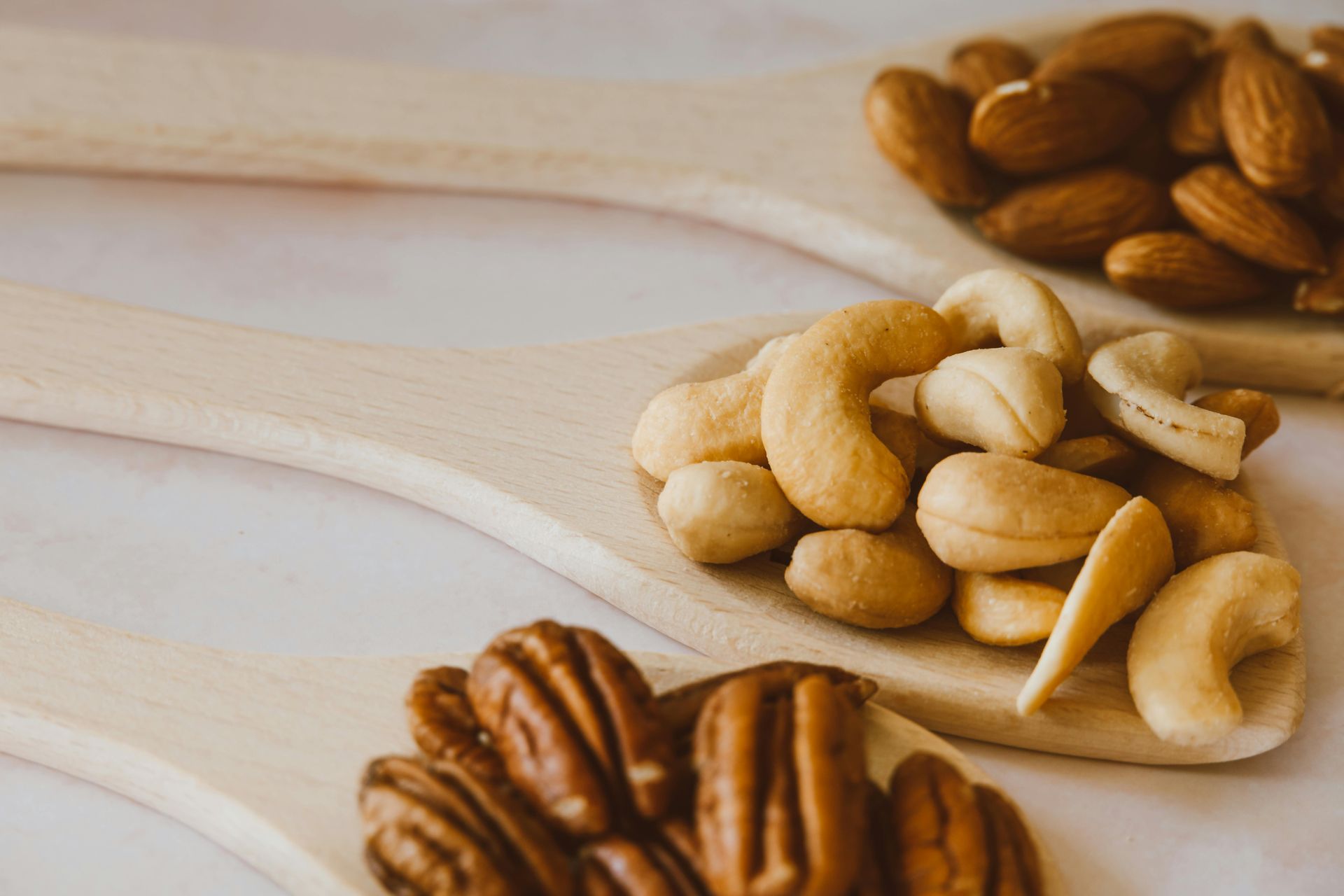
If you’ve been around here, you already know I’m not into traditional “diets.” Cutting calories, fearing food, and restricting entire food groups in the name of weight loss or healing gut issues usually just disconnects you further from your body—and often makes your symptoms worse in the long run. At Root + Nourish, my philosophy is simple: Food is not the enemy. Your gut just needs support to digest it properly. If broccoli, beans, dairy, or gluten make you bloated, foggy, or exhausted, that doesn’t mean those foods are “bad.” It usually means your gut isn’t in a place to handle them right now. And that’s where elimination diets can be incredibly helpful—when used intentionally and temporarily. Elimination Diets Are a Healing Tool—Not the End Goal An elimination diet is not meant to be forever. It’s not about living off a tiny list of “safe” foods. It’s a short-term strategy to reduce inflammation, calm your gut, and gather data about how your body responds to food while you’re actively healing your digestive system. Think of it as giving your gut a break so it can rebuild. The real goal? To be able to eat a wide variety of foods without symptoms. Not to live in restriction mode forever. Why Food Often Feels Like the Problem (But Isn’t) So many women come to me saying, “I can’t tolerate anything. Everything bloats me.” Here’s the truth: It’s usually not the food itself—it’s what’s happening (or not happening) in the gut. Common root causes I see: Low stomach acid Enzyme insufficiency Gut dysbiosis or SIBO Inflammation or leaky gut Chronic stress shutting down digestion When digestion isn’t working well, even healthy foods can feel like a problem. An elimination phase can reduce the load on your system while we work on healing the root cause. So Why Do an Elimination Diet at All? Because it can: Calm inflammation quickly Reduce symptoms like bloating, fatigue, and brain fog Help you identify major triggers while your gut heals Give you a baseline so you can feel what “good” actually feels like And most importantly—it teaches you to listen to your body without fear. You’re not eliminating foods because they’re bad. You’re creating space for your gut to heal so you can bring them back.
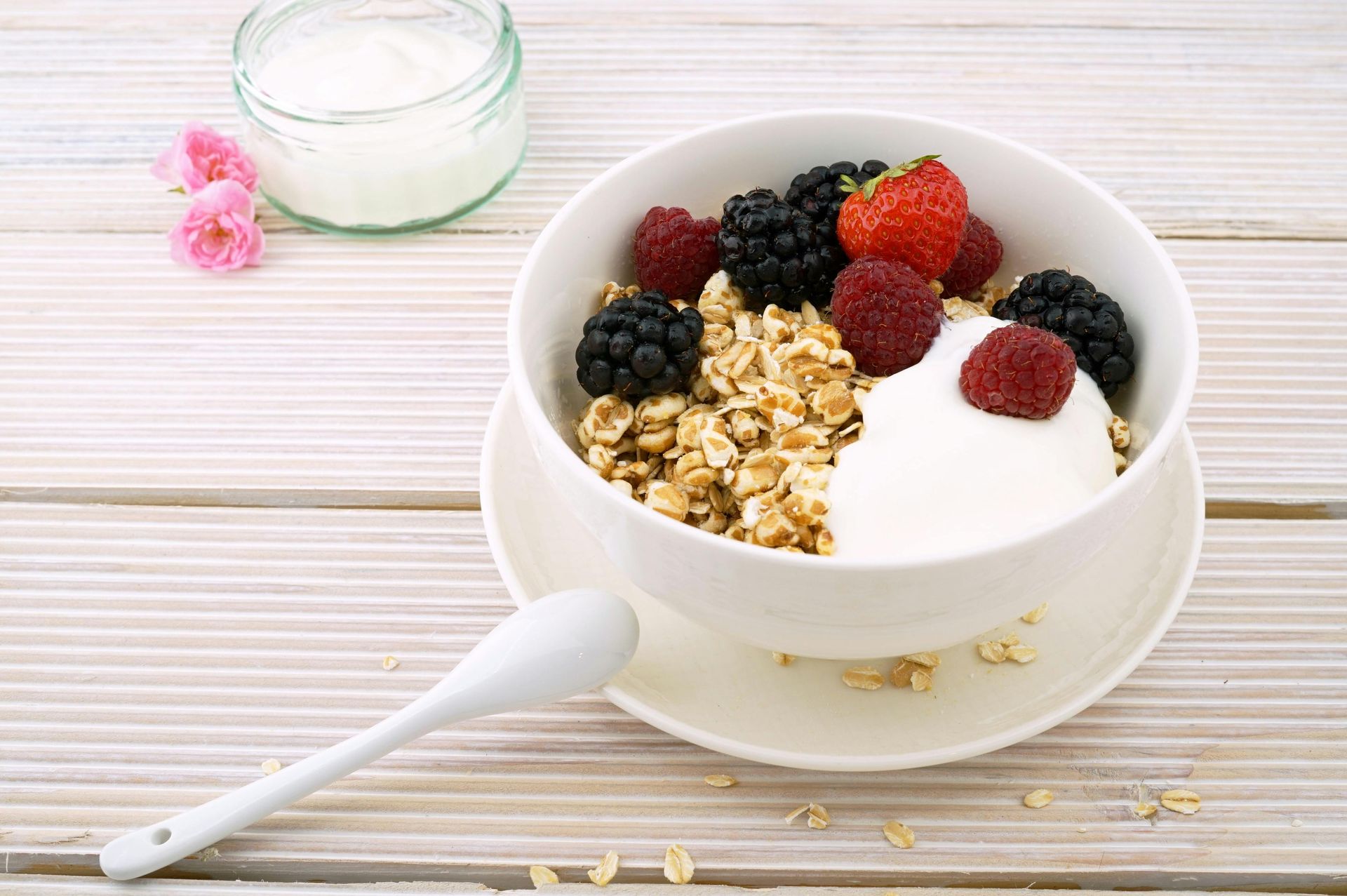
Fermented foods are powerful, but more is not better—especially if your gut is already sensitive. If you jump in too fast, your bacteria can throw a literal party in your intestines (hello gas and bloating). Here’s how I help clients add fermented foods without the discomfort: 1. Start Tiny (Like… Really Tiny) You don’t need a whole bowl of sauerkraut on day one. Start with: 1 teaspoon of sauerkraut or kimchi A few sips of kefir or kombucha Think “condiment,” not side dish. Increase slowly over 1–2 weeks. 2. Eat Them With Meals (Not on an Empty Stomach) Fermented foods are easier to tolerate with a full meal , especially one with protein and fat. This buffers the acids and slows fermentation in your gut. 3. Support Digestion First If you have low stomach acid or enzyme issues, fermented foods can feel intense. Support digestion with: Mindful eating (chew, slow down) Protein at meals Digestive bitters or enzyme support (if appropriate) Fermented foods work best when digestion is already somewhat supported. 4. Watch for Histamine Sensitivity Fermented foods are naturally high in histamines. If you notice headaches, flushing, anxiety, or itching, you might need: Smaller amounts Fresh ferments (shorter fermentation time) A gut-healing phase before heavy ferments This doesn’t mean you can’t tolerate them forever—just that your gut needs healing first. 5. Pair With Prebiotic Fiber Probiotics are the seeds— prebiotics are the soil . Add foods like: Cooked/cooled potatoes or rice Onions, garlic, asparagus Green bananas or plantains Oats or chia (if tolerated) This helps your new bacteria actually stick around. 6. Know When to Pull Back If you notice: Severe bloating Pain Brain fog Increased anxiety or skin flares Pause or reduce. Sometimes the gut needs Phase 1 healing before fermented foods feel amazing. Fermented foods should make you feel better, not worse. Your gut is not broken—you just need the right timing, dose, and support.
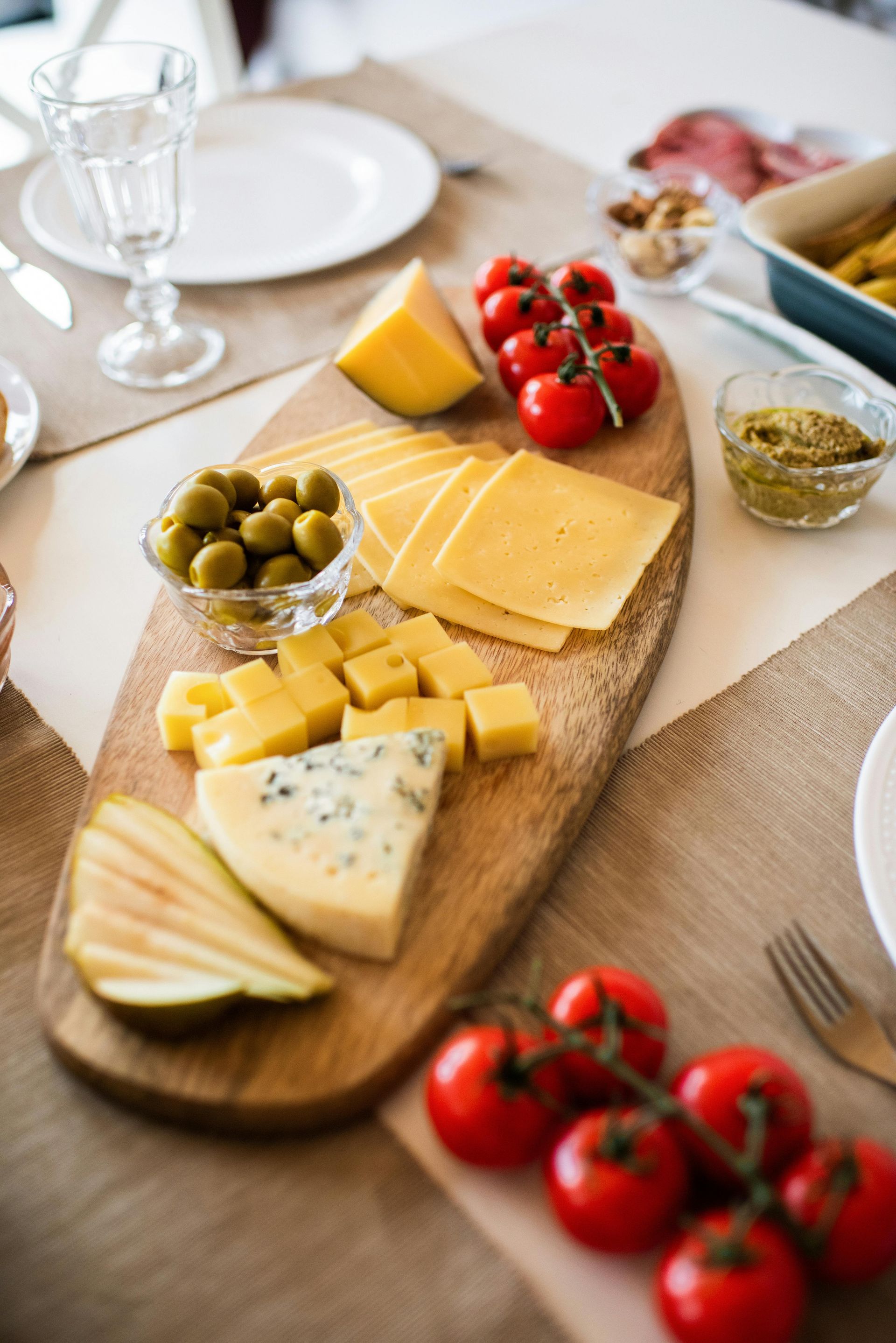
Here’s how I think about healing the gut in simple, real-life phases: Phase 1: Calm & Reduce Inflammation (This is where elimination diets come in) Goal: Give your gut a break so it can start healing. Temporarily remove the most common trigger foods Focus on simple, whole, easy-to-digest meals Support your body with sleep, hydration, minerals, and gentle movement Think of this phase as quieting the noise so your gut can reset. Phase 2: Repair & Rebuild (The root-cause healing phase) Goal: Fix why foods were causing symptoms in the first place. This often includes: Supporting stomach acid and digestive enzymes Healing the gut lining with targeted nutrients, foods and supplements Balancing the gut microbiome (sometimes with testing like GI-MAP) Work on mindset to believe in healing Regulating stress and the nervous system so digestion can actually turn on This is where real, lasting change happens. Phase 3: Reintroduce & Expand Your Diet (The ultimate goal: food freedom) Goal: Bring foods back without fear or symptoms. Reintroduce foods one at a time Learn what your body tolerates well Build confidence eating out, traveling, and living your life The goal is variety, flexibility, and joy with food —not restriction. Phase 4: Maintain & Thrive (Your new normal) Goal: Sustainable habits that keep your gut happy long-term. A balanced, diverse diet Stress and nervous system support Simple routines that fit busy mom life No fear-based food rules This is where you stop thinking about your gut all the time—because it just works. Healing your gut means expanding your diet, not shrinking it.
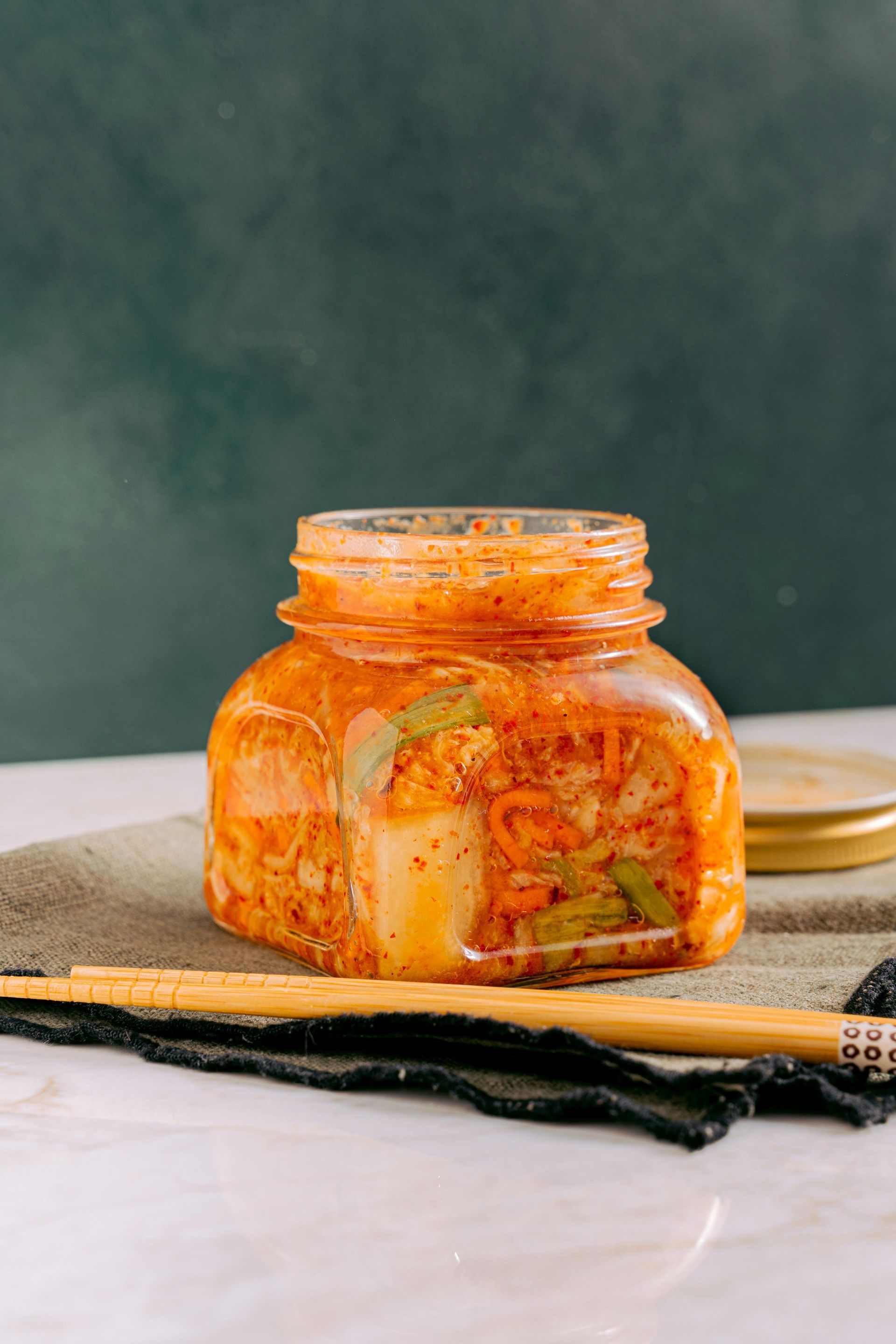
If you would’ve told me years ago that I’d be eating fermented veggies every day on purpose, I would’ve laughed. But here we are—and honestly, fermented foods are one of the simplest, most powerful tools I use (and recommend) for gut health. They’re tangy, crunchy, and surprisingly addictive—and your microbiome loves them. Why Fermented Foods Are So Powerful for Gut Health Fermented foods are packed with beneficial bacteria (probiotics) that help: Improve digestion Strengthen your immune system Support hormone balance and metabolism Reduce inflammation Increase microbial diversity (which is a huge marker of gut health) Your gut microbiome is like a garden—the more diverse, living bacteria you have, the more resilient and healthy your system becomes. Not All “Fermented” Foods Are Created Equal Here’s where it gets confusing: Not everything labeled “pickled” or “fermented” actually contains probiotics. The probiotic-rich ones are: Naturally fermented Not pasteurized Made with salt + time (not just vinegar) Examples of truly fermented foods: Sauerkraut Kimchi Kefir Kombucha Traditional pickles (the refrigerated, cloudy brine kind) Most shelf-stable grocery store pickles and vinegars are not probiotic —they’re delicious, but the bacteria are gone. “But I Can’t Do Yogurt…” Totally fair. Yogurt is not the only probiotic food. If you’re lactose intolerant, dairy-free, or just not a yogurt person (same), you still have tons of options. Personally? I’m a sauerkraut girl. I eat it almost daily—especially jalapeño sauerkraut with eggs. It’s spicy, crunchy, and feels like a gut-health cheat code. My Spicy Gut-Loving Veggie Ferment (Mom’s Recipe, Root + Nourish Edition) This is inspired by my mom’s recipe, with a few upgrades to boost nutrients and flavor. Ingredients 5 organic carrots, sliced 10 organic jalapeños (whole or sliced for extra heat) 1 small head organic cauliflower, chopped 8 organic green onions (white parts only), sliced 6–8 organic garlic cloves 2 tbsp olive oil 4 bay leaves 1 tsp ground peppercorn 1 tsp ground black pepper 1½ tsp marjoram 1½ tbsp ground thyme Salt to taste 2 cups white vinegar 1 cup apple cider vinegar Directions Heat olive oil over medium heat in a large saucepan. Add carrots and cook until slightly softened (you want them crunchy). Add green onions, garlic, cauliflower, jalapeños, bay leaves, and spices. Cook for ~7 minutes, until jalapeños turn from bright green to olive green. Add white vinegar and apple cider vinegar and bring to a boil. Cover and simmer on low for 5 minutes. Remove from heat and let cool. Transfer to airtight jars. Store in the fridge or at room temperature for up to one month. Root + Nourish Truth: Fermented Foods Are a Tool—Not a Cure-All Fermented foods are incredible, but they’re not a magic fix on their own. If your gut is inflamed, if you have SIBO, histamine intolerance, or severe dysbiosis, some fermented foods can actually make symptoms worse at first. That’s why I see them as one tool in a bigger gut-healing roadmap —not a one-size-fits-all solution.

You’re not “bad at digesting food.” Your gut just might need support.
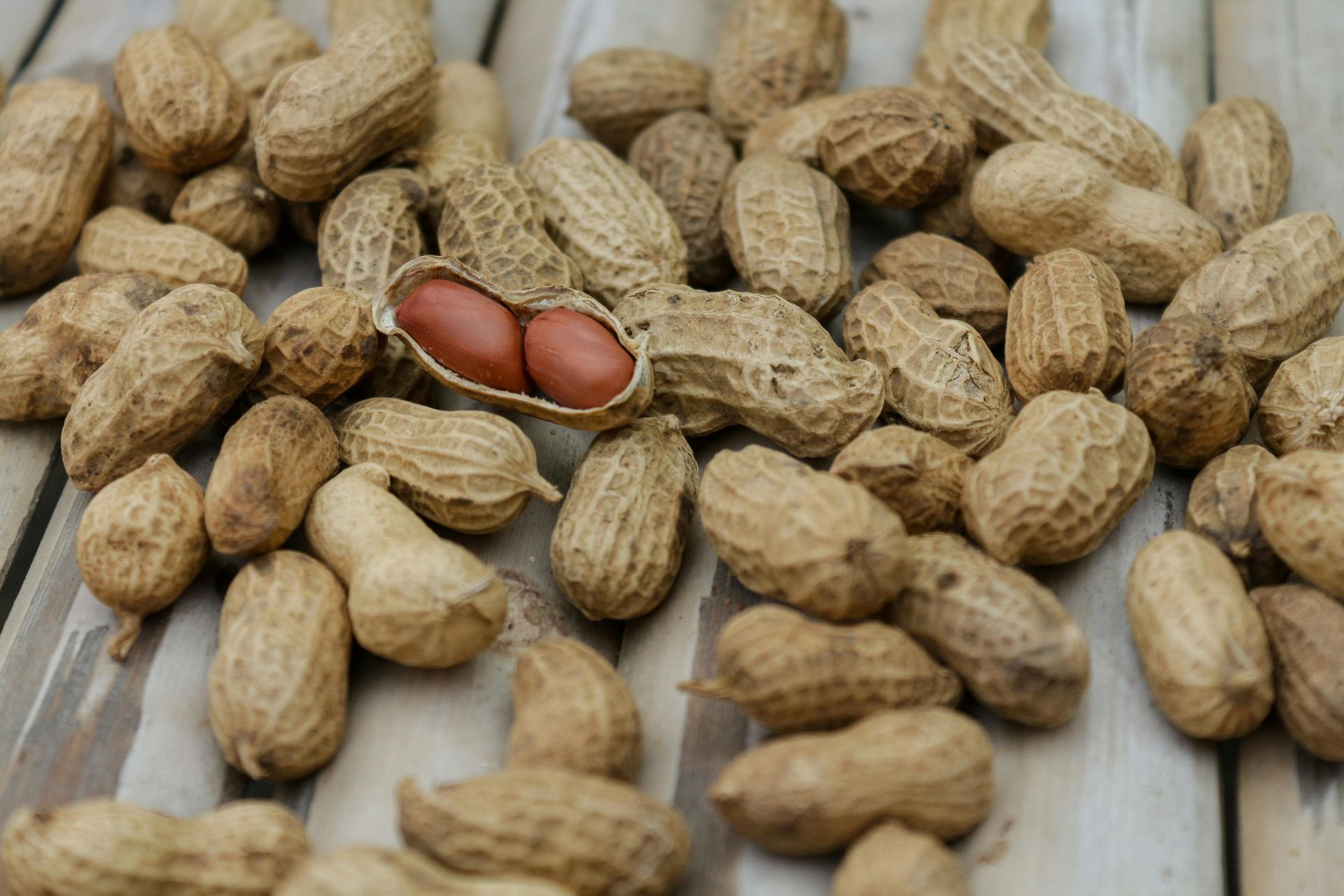
Food intolerance and allergies are rampant and a hot topic of conversation lately.
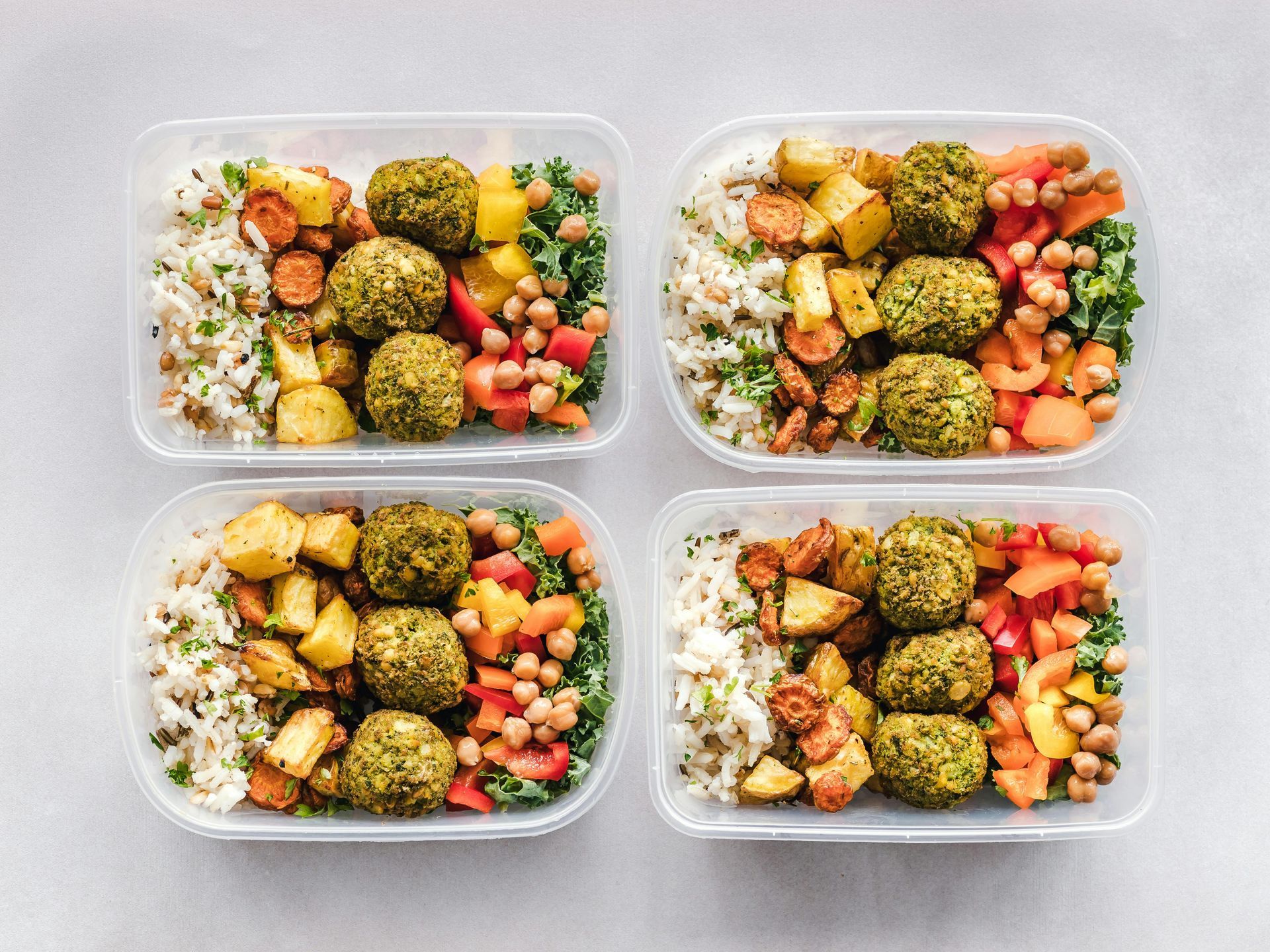
For a long time, I thought of my mind and my body as two separate things. I’d try to “fix” my body with food, workouts, supplements—without ever asking what was happening in my mind. Now I know: you can’t heal one without the other. Your mind and your body are not separate systems. They are in constant conversation—every thought, every stressor, every emotion sends signals to your gut, your hormones, your immune system. And yet, so many of us live completely disconnected from both. We Are Not Textbooks Most people want a formula: “Tell me exactly what to eat.” “Tell me how many reps, how many miles, how many calories.” “Give me the plan so I don’t have to think.” But we are not textbooks. What works for me might not work for you. I could run five miles a day and not lose weight, drink celery juice every morning and still feel bloated—and that doesn’t mean I’m doing something wrong. It means there is more to healing than protocols. There is you. Getting to Know Yourself Is the Work For anyone who knows me, it won’t be shocking that I believe therapy is one of the most transformative tools we have. I’ve been in psychoanalytic therapy for years, and it has been one of the most powerful experiences of my life. Therapy taught me something nutrition never could on its own: My body is mine. My mind is mine. And they are deeply connected. Getting to know yourself is not easy. It’s messy, contradictory, and humbling—like those teenage years where you wanted independence but not responsibility. You’re pulled in opposite directions. But the only way forward is to listen. To your instincts. To your body. To the parts of you that are trying to communicate through symptoms. And yes, you will make mistakes. That’s part of being human. But no one can take your lived experience away from you. You Don’t Owe Anyone Your Health I recently read a line that stopped me in my tracks: “You don’t owe anyone your health.” For so long, I wanted to change my body to fit in—to be thinner, to be noticed, to look like everyone else. Then my “why” shifted. I started running for my grandmother, then for my family, and eventually—for me. I move my body now because it makes me feel strong, powerful, capable, and proud. Because I want energy to chase my kids. Because I like how it feels to be in my body, not just judged by it. Studying the mind for years and then reconnecting with my body felt like coming home. Healing One Part Heals the Whole I still have a long way to go. We all do. But I truly believe this: we are not separate parts stitched together. We are a whole system. When you heal your gut, you affect your mood. When you regulate your nervous system, your hormones shift. When you process emotions, your body softens. Mind and body—always in dialogue. So my invitation is this: Start seeing yourself as a whole. Listen more. Control less. Heal with curiosity, not punishment. Because when you heal one part of you, you heal all of you.
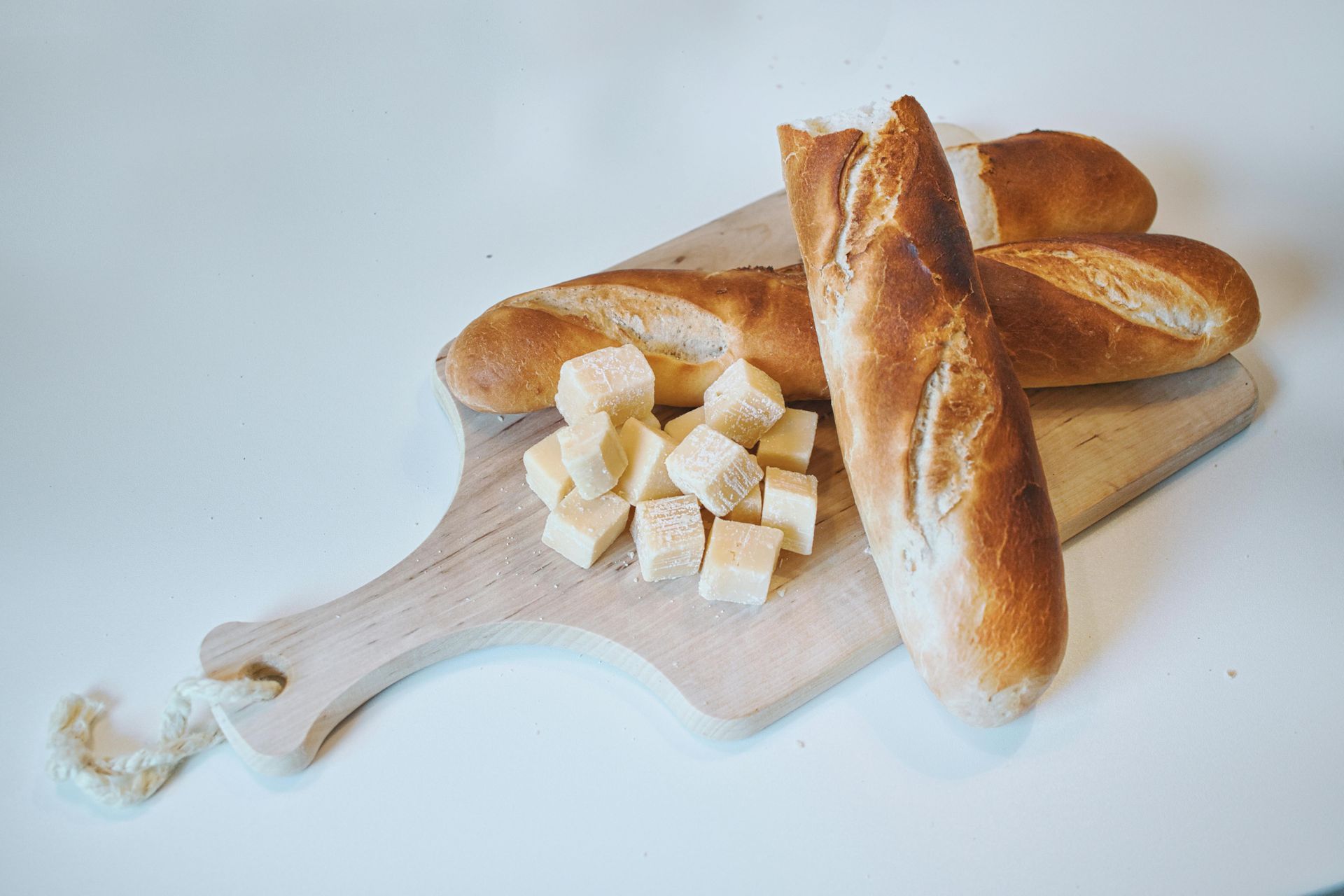
A pivotal step of the elimination diet.